
What do you want to learn more about?
Nourished through Treatment™
(Active Treatment Only)
The Signature VIP 1:1



If you’re here, you might be feeling queasy right now — or bracing for it before your next round of chemo — and searching for chemo nausea foods that actually help. I’ve been in that chemo chair myself, so I know how urgent that question feels, and I want to get you to practical answers as quickly as possible.
Here’s something worth knowing up front: nausea affects somewhere between 20% and 70% of people on chemo, even when anti-nausea medication is taken exactly as prescribed.¹ That gap is where food, nutrition, and lifestyle comes in. And below, I’ve ranked what helps by how strong the evidence actually is — not by what makes a catchy list.
One important note first: this article is for education, not medical advice. Always take your prescribed anti-nausea medication as directed, and talk with your oncology team and a board-certified oncology dietitian about your situation — especially if you can’t keep food or fluids down.
Let’s get into it.
By Alison Tierney, MS, RD, CSO — board-certified oncology dietitian and cancer survivor. Last updated: August 2026.
Key Takeaways for Chemo Nausea Foods
- The single most evidence-backed strategy isn’t a food — it’s a plan. A personalized meal plan for chemo nausea foods plus nausea-specific guidance from a dietitian has the strongest evidence of anything studied for chemo nausea.
- Don’t stop eating. An empty stomach is linked to more nausea, not less. Small, frequent amounts beat three big meals.
- Protein and enough calories matter. Getting enough — especially protein — is tied to better symptom control, so easy protein counts even when appetite is low.
- Bland, dry, cool foods are gentlest — crackers, toast, rice, bananas, yogurt — and cool or room-temperature foods give off fewer nausea-triggering smells.
- Greasy, fried, spicy, very sweet, and strong-smelling foods are the most common triggers.
- Ginger can help as an add-on — the evidence is real but has limits, and it’s never a replacement for your medication. Check with your team first.
- Skip the detoxes and juice cleanses. They have no evidence for nausea and make it harder to get the nutrition that actually helps.a
What’s the Most Effective Food Strategy for Chemo Nausea?
The short answer — and it surprises almost everyone — is that the most effective strategy for chemo nausea isn’t a single chemo nausea food. It’s a personalized plan. And I’m not just saying this with the bias of being an oncology dietitian — it’s what the research supports most.
When researchers reviewed every study on diet and chemo nausea, the approach with the strongest, highest-certainty evidence was nausea-specific nutrition education plus a personalized meal plan from a dietitian, with a very large effect on nausea severity.² In one randomized trial of 150 women in chemotherapy for breast cancer, those who got a personalized eating plan with protein and energy targets — plus an education session before each cycle — reported meaningfully less nausea and better quality of life than those getting usual care.³
Here’s what that means for you: a plan built around your treatment, your symptoms, and the chemo nausea foods you can actually stomach beats any generic food search or nausea-food list on the internet. Including this one. 🙃
That’s exactly the work I do with clients inside Nourished Through Treatment™ — turning the strategies below into a plan that fits your body and your week. But you don’t need a program to start. The rest of this article is the foundation that plan is built on.

What Foods Help With Chemo Nausea?
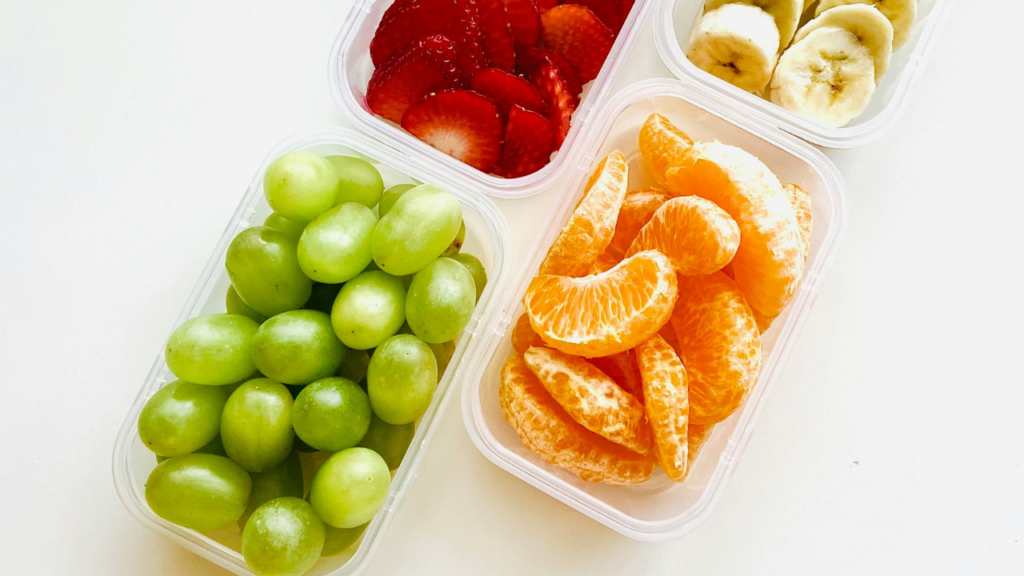
The short answer: bland, dry, starchy, and cool chemo nausea foods are usually easiest to tolerate. They’re gentle on the stomach, low in odor, and simple to digest.
Chemo nausea foods that tend to sit well:⁴ ⁵
- Dry, starchy foods: saltine crackers, dry toast, pretzels, plain cereal, rice
- Soft, mild foods: bananas, applesauce, mashed potatoes, plain oatmeal, plain pasta
- Cool or room-temperature foods: yogurt, smoothies, cold sandwiches, popsicles
- Clear, cool liquids between meals: broth, diluted juice, ginger or peppermint tea, water
Three tactics oncology guidelines actually recommend, and why they work:⁶
Eat small and often. Six to eight small meals and snacks are easier than three big ones, and keeping a little something in your stomach tends to ease nausea rather than trigger it — even though when experiencing nausea during chemo, the last thing you want to do is eat.
Serve food cool or at room temperature. Hot food releases far more aroma, and smell is one of the biggest nausea triggers during treatment. Choosing cool chemo nausea foods — a cold sandwich or smoothie — can go down when a hot plate simply won’t.
Watch portion size. An overfull stomach is its own trigger. Stop before you’re full.
During chemotherapy, my nausea usually started to kick in the evening of the day after chemo, and hit its highest peak over the following two days. I received chemotherapy on Thursdays, so I started to feel the nausea on Friday evening, followed by Saturday and Sunday. My first go-to when the nausea started kicking in? Keep reading — it’s here, and it’s the one with some of the strongest evidence beyond working with a dietitian.
What Foods Make Chemo Nausea Worse?
The short answer: greasy, fried, spicy, very sweet, and strong-smelling chemo nausea foods are the most common culprits.
Ease up on these when you’re nauseated:⁴ ⁶
- Fatty, fried, and greasy foods — slow to digest and heavy
- Spicy foods — irritating, especially with a sore mouth
- Very sweet, rich foods — can turn an already-queasy stomach
- Strong-smelling and hot cooking odors — a major trigger
Knowing which chemo nausea foods to avoid is just as useful as knowing what to reach for — and two things tend to surprise people:
Don’t force your favorite foods on your worst days. Eat a food you love while feeling sick, and your brain can link the two — turning you off it for a long time.⁴ Protect your comfort foods for better moments.
Sometimes it’s the smell, not the food. Cold meals, takeout someone else prepares, or stepping out of the kitchen while food cooks can let you eat something you couldn’t stand to make yourself.
Why “Just Eat Less” Is the Wrong Move
There’s a strong instinct to stop eating when nausea hits — especially when the thought of chemo nausea foods feels overwhelming. The evidence points the other way.
Not eating is actually associated with a much higher likelihood of nausea and vomiting — one summary found close to a sevenfold difference.⁷ That’s observational, so it shows a link rather than proving cause. But the practical takeaway is sound: keeping some chemo nausea foods in your stomach, even in small amounts, usually helps more than an empty one.
Protein is the standout. Studies of nutrition counseling that meets protein and calorie targets link adequate intake with less nausea.² ⁸ (Fair caveat, because you deserve the honest version: this protein evidence is stronger for radiotherapy-related nausea than for chemo specifically — but getting enough protein is a sensible, well-supported goal either way.)
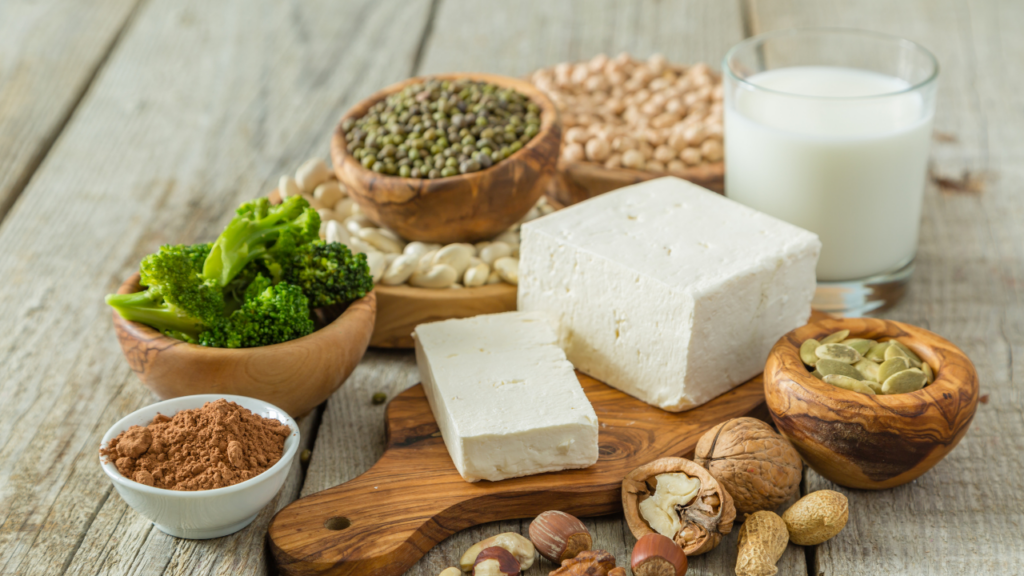
Easy, low-effort chemo nausea foods with protein when appetite is poor:
- Milk, kefir, or fortified plant milks
- Greek yogurt, or a smoothie made with yogurt
- Nut butter on toast or crackers
- Chilled ready-made protein or nutrition drinks
- Hummus, tofu
Does Ginger Actually Help Chemo Nausea?
You’ll see ginger recommended everywhere for chemo nausea, so here’s the honest picture instead of the hype.
The short answer: ginger can help as an add-on to your medication — the evidence is real but has genuine limits.
The strongest study to date was a 2024 double-blind, placebo-controlled trial of 103 patients. A standardized ginger regimen, started on the day of chemo and continued for five days, improved nausea-related quality of life, reduced delayed nausea, and reduced fatigue — with no serious side effects.⁹ A larger review of 35 trials also found ginger capsules, added to standard medication, reduced severe acute nausea and high-grade vomiting.¹⁰
Now the honest caveat, because I won’t skip it: an earlier meta-analysis found ginger’s benefit showed up mainly for vomiting — at about 1 gram a day or less, for more than three days — with no significant effect on nausea severity itself.¹¹ So the picture is promising but not settled.
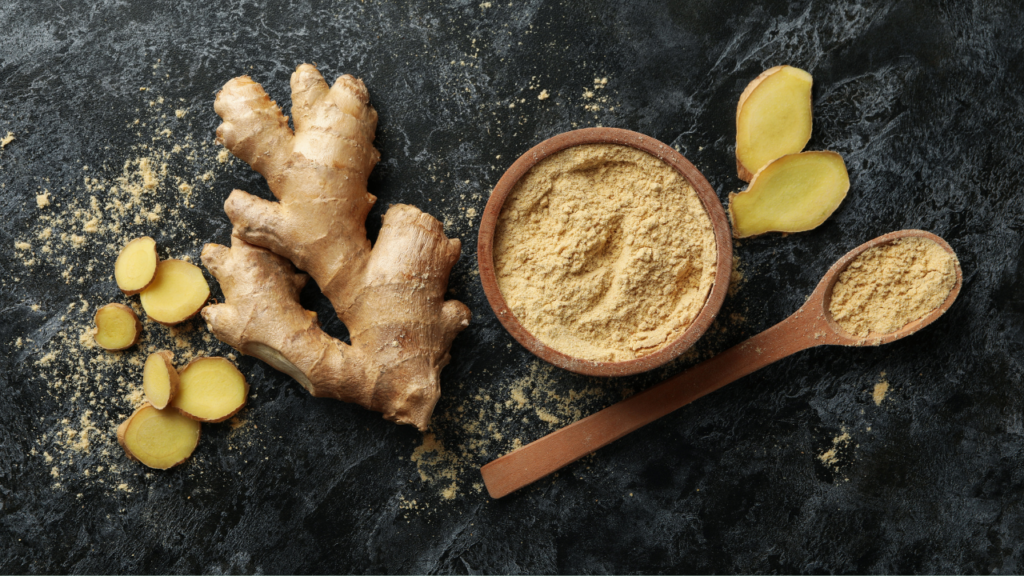
Two rules if you try it: consider ginger as an add-on to your prescribed medication. And when it comes to chemo nausea foods, ginger works best in gentle, food-based forms — ginger tea, chews, or fresh ginger — rather than high-dose supplements, which can interact with blood thinners and aren’t right for everyone. Keep it to food amounts unless your team okays a supplement.
What About Special Diets and the Latest Research?
The research here is genuinely moving, so let me share what’s emerging — with the honest caveats attached.
Emerging evidence presented at the 2025 ASCO Annual Meeting suggests that several eating patterns — Mediterranean, plant-based and higher-protein, anti-inflammatory, and even some fasting approaches — may help reduce chemotherapy side effects like nausea, fatigue, and diarrhea.¹² That’s genuinely encouraging, and it lines up with where nutrition science seems to be heading.
But here’s the caveat I won’t skip: the researchers concluded that no single pattern has enough evidence yet to be recommended as superior.¹² So this is a space to watch with interest, not a reason to overhaul everything you eat mid-treatment. When it comes to chemo nausea foods, the foundations above — eating enough, keeping protein up, small and frequent, gentle on the stomach — are still where your energy is best spent today.
A note on fasting specifically, since it comes up a lot: the early signals are interesting, but fasting during treatment is not something to try on your own. It carries real risks if you’re already struggling to eat or hold your weight, and it can make it even harder to get the chemo nausea foods your body actually needs. I’ve written about what the evidence does and doesn’t say here: Always clear any fasting approach with your oncology team first.
And one thing the evidence is clear on: skip the detoxes and juice cleanses. Restrictive detoxes, elimination diets, and juice-only regimens have no evidence behind them for nausea — and they make it harder to get the protein and calories that genuinely help.² The honest bottom line: a non-restrictive way of eating built around chemo nausea foods that get you enough energy and protein is what the evidence supports. This isn’t the season for a rigid diet.
A Note on Your Medication
Food should work alongside your anti-nausea medication. The chemo nausea foods and strategies in this article are meant to complement what your oncologist has recommended and prescribed, not replace it. Take your medication exactly as directed. ⁶ If nausea is breaking through despite taking your medication as prescribed — and despite adjusting the chemo nausea foods you are eating — tell your team promptly. The regimen can almost always be adjusted.
When Should You Call Your Care Team?
Reach out to your oncology team promptly if you:⁶
- Can’t keep fluids down for more than 24 hours, or notice signs of dehydration (very dark urine, dizziness on standing), Are vomiting repeatedly despite taking your anti-nausea medication as prescribed,
- Can’t keep down your prescribed oral medications — including any chemo nausea foods or supplements your team has recommended, and Have nausea accompanied by fever, severe abdominal pain, or no bowel movement for several days
These are signs that your nausea management plan needs to be reassessed — and that may include both your medication regimen and the chemo nausea foods and eating strategies you’re relying on. Don’t wait it out. Your team can almost always adjust the approach.
Nausea is incredibly common and a frustrating symptom during chemo and cancer treatment. But how you eat around it is one real, practical thing that’s still in your hands — a way to support your body when so much feels out of your control.
And since the strongest evidence points to having a plan — and to tracking what’s happening so you and your team can adjust — I made you a free tool to start.
The First Treatment Nutrition Game Plan™ gives you the questions worth asking your oncology team, a simple daily food-and-symptom tracker to help you spot your own patterns with chemo nausea foods, and a checklist for knowing when more personalized support would help.
It’s not about adding more to your plate — it’s about helping you feel prepared instead of overwhelmed. You can grab it [here].
With you in this! 💪
In Good Health,
Alison

Frequently Asked Questions
What chemo nausea foods actually help? Bland, dry, and cool options are usually easiest to tolerate—crackers, toast, rice, bananas, applesauce, and yogurt are good starting points. Cool or room-temperature foods give off fewer smells, which helps significantly, and small, frequent portions tend to be more manageable than large meals.
What chemo nausea foods should I avoid? Greasy, fried, spicy, and very sweet items are the most common triggers, along with strong cooking odors. If a particular food makes you feel worse, set it aside and try it again on a better day.
Does ginger really help with chemo nausea? It can, as an add-on to your prescribed medication. Research shows ginger can reduce chemo-related vomiting and, in one strong trial, delayed nausea—though its effect on nausea severity itself is less certain. Stick to food-based forms of ginger unless your team approves a supplement, especially if you take blood thinners.
Should I stop eating if I feel too sick? Generally no. An empty stomach is linked to more nausea, not less. Small amounts of bland chemo nausea foods on a schedule—rather than waiting until you feel hungry—usually help more than avoiding food altogether.
What’s the single most effective thing I can do for chemo nausea through food? The strongest evidence supports a personalized meal plan built around chemo nausea foods that work for your body, combined with nausea-specific guidance from a registered dietitian, alongside your prescribed anti-nausea medication.
References
- Gala D, Wright HH, Zigori B, Marshall S, Crichton M. Dietary Strategies for Chemotherapy-Induced Nausea and Vomiting: A Systematic Review. Clinical Nutrition. 2022;41(10):2147–2155. https://doi.org/10.1016/j.clnu.2022.08.003
- Gala D, Wright HH, Zigori B, Marshall S, Crichton M. Dietary Strategies for Chemotherapy-Induced Nausea and Vomiting: A Systematic Review. Clinical Nutrition. 2022;41(10):2147–2155. https://doi.org/10.1016/j.clnu.2022.08.003
- Najafi S, Haghighat S, Raji Lahiji M, et al. Randomized Study of the Effect of Dietary Counseling During Adjuvant Chemotherapy on Chemotherapy-Induced Nausea and Vomiting and Quality of Life in Patients With Breast Cancer. Nutrition and Cancer. 2019;71(4):575–584. https://doi.org/10.1080/01635581.2018.1527375
- American Cancer Society. Nutrition for People with Cancer — Managing Eating Problems During Treatment. https://www.cancer.org/cancer/survivorship/coping/nutrition.html
- UT Health San Antonio, Mays Cancer Center (MD Anderson). Dietary Management for Chemotherapy-Induced Nausea and Vomiting. https://cancer.uthscsa.edu/news-and-stories/dietary-management-chemotherapy-induced-nausea-and
- National Comprehensive Cancer Network. NCCN Guidelines for Patients / NCCN Clinical Practice Guidelines: Antiemesis. Updated 2026. https://www.nccn.org/guidelines
- Li K, Cai Y, Xie S, et al. Evidence Summary for Nonpharmacological Management of Chemotherapy-Induced Nausea and Vomiting. BioMed Research International. 2022.
- Molassiotis A, Zhao IY, Crichton M, et al. Effects of Food-Based Interventions in the Management of Chemoradiotherapy-Induced Nausea and Vomiting: A Systematic Review. Supportive Care in Cancer. 2023;31(7):413. https://doi.org/10.1007/s00520-023-07879-0
- Crichton M, Marshall S, Isenring E, et al. Effect of a Standardized Ginger Root Powder Regimen on Chemotherapy-Induced Nausea and Vomiting: A Multicenter, Double-Blind, Placebo-Controlled Randomized Trial. Journal of the Academy of Nutrition and Dietetics. 2024;124(3):313–330.e6. https://doi.org/10.1016/j.jand.2023.09.003
- Lin CY, Huang SH, Tam KW, Huang TW, Gautama MSN. Efficacy and Safety of Ginger on Chemotherapy-Induced Nausea and Vomiting: A Systematic Review and Meta-Analysis of Randomized Controlled Trials. Cancer Nursing. 2023.
- Crichton M, Marshall S, Marx W, McCarthy AL, Isenring E. Efficacy of Ginger (Zingiber officinale) in Ameliorating Chemotherapy-Induced Nausea and Vomiting and Chemotherapy-Related Outcomes: A Systematic Review Update and Meta-Analysis. Journal of the Academy of Nutrition and Dietetics. 2019;119(12):2055–2068. https://doi.org/10.1016/j.jand.2019.06.009
- Abene J, Deng J. Evaluating the Role of Dietary Interventions in Reducing Chemotherapy Toxicities in Cancer Patients: A Systematic Review. Journal of Clinical Oncology. 2025;43(16 suppl).

Alison Tierney, MS, RD, CD, CSO
Alison is a registered dietitian, board-certified in oncology nutrition, and a cancer thriver. Her expertise in oncology nutrition and personal experience with her own cancer diagnosis and its treatment provide her with the unique perspective of being able to relate to her clients on an entirely different level. Her content is consistently focused on evidence-based guidelines and seeks to increase the awareness of the power of nutrition to complement traditional cancer therapies.
Leave a Reply
Featured Articles


This website provides educational information but it is not a substitute for medical advice from a licensed medical professional who is familiar with your particular facts and circumstances. The information contained on this website is not intended to diagnose, treat, or cure any disease and shall not be construed as medical advice. The information and education on this website is provided for you to use at your own discretion.
You can further review our disclaimer here.

Be the first to comment