The Wholesome Journey - Group Nutrition Coaching Program
Mentorship Program, 1:1 Nutrition Coaching with Alison
What do you want to learn more about?

Program Login
Podcast Features
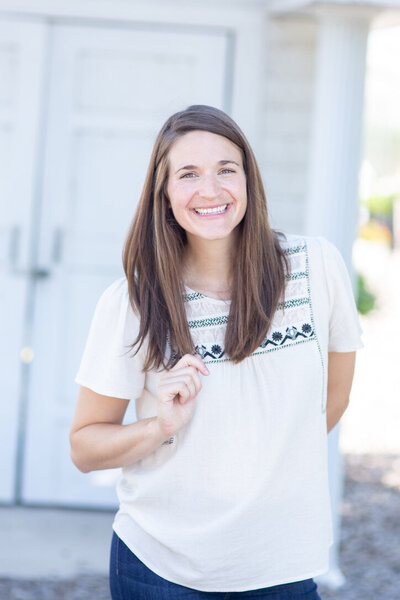


Alison Tierney, MS, RD, CD, CSO
Alison is a registered dietitian, board-certified in oncology nutrition, and a cancer thriver. Her expertise in oncology nutrition and personal experience with her own cancer diagnosis and its treatment provide her with the unique perspective of being able to relate to her clients on an entirely different level. Her content is consistently focused on evidence-based guidelines and seeks to increase the awareness of the power of nutrition to complement traditional cancer therapies.
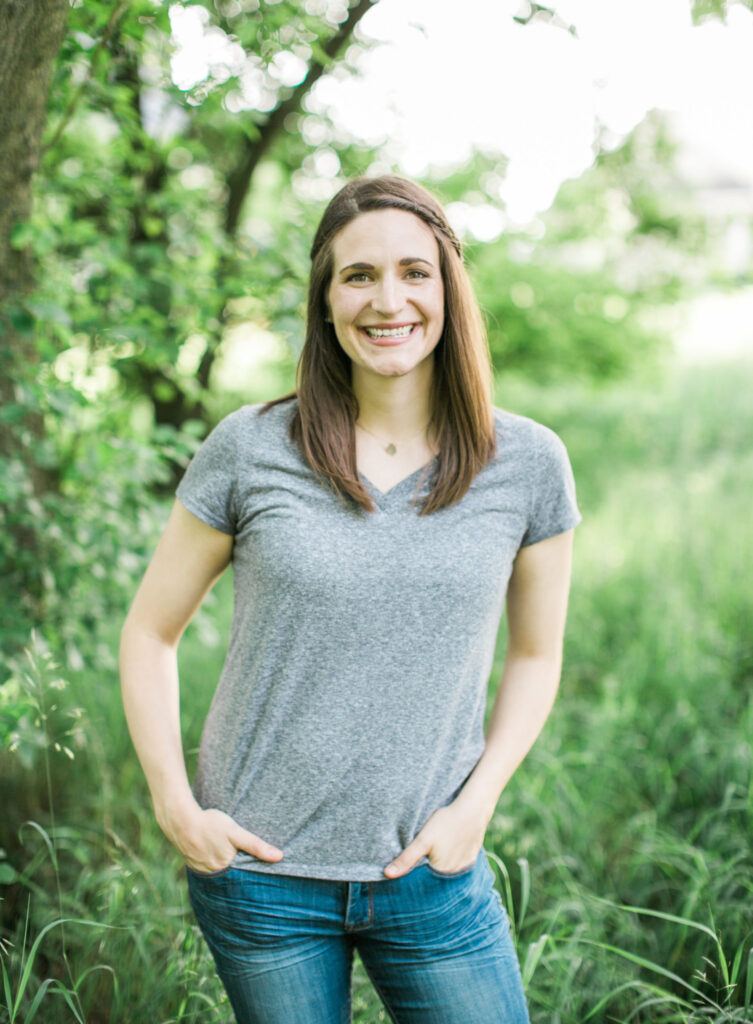
I am not a nutritionist.
Wait, what?
I am a dietitian.
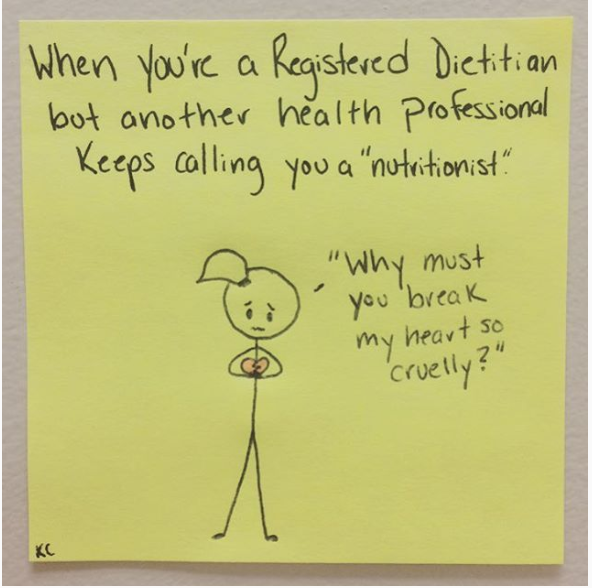
Most people call me a “nutritionist” but I usually don’t correct people.
I don’t mean to be a snob about it, but there is a pretty big difference.
Registered dietitians (RD) are “food and nutrition experts who can translate the science of nutrition into practical solutions for healthy living”, according to the Academy of Nutrition and Dietetics.
One could argue some nutritionists are also food and nutrition experts, however, the difference lies in credentialing.
In some states, an individual can call themselves a “nutritionist” without any formal nutrition education, training, licensing, or certification. Go to Google and search “how to be nutritionist” and you’ll find online programs as short as six months. Or, even self-study programs taught by wellness “experts” with millions of Facebook and Instagram followers listed as part of their background and experience.
Having thousands or millions of social media followers doesn’t mean someone has proper education or experience to recommend sound nutrition advice.
A certified nutritionist (CN) is only required to have an associate’s degree or take six classes total. A certified nutritional consultant (CNC) only has to pass an open book exam. And some people can call themselves a nutritionist with as few as three classes.
Unfortunately, almost anyone can call themselves a “nutritionist” without any overseeing body, passing of a board exam, or continuing education.
Whereas, registered dietitians have extensive requirements, training, and continuing education.
To become a registered dietitian, at minimum, here’s what is required:
- Bachelor’s Degree from a US regionally accredited university or college and course work accredited or approved by the Accreditation Council for Education in Nutrition and Dietetics (ACEND) of the Academy of Nutrition and Dietetics.
- ACEND-accredited supervised practice program with a minimum of 1,200 supervised practice hours.
- Passed a national board examination administered by the Commission on Dietetic Registration (CDR).
- Completed continuing professional educational requirements to maintain registration.
(If you are interested in learning more about becoming a dietitian, you can check out this resource.)
Additionally, by the year 2024, all entry-level registered dietitians will be required to have a master’s degree.
Talk about education!
Don’t get me wrong. Just because someone is a nutritionist or isn’t specifically a Registered Dietitian, doesn’t mean they aren’t knowledgeable about nutrition. The problem is it doesn’t mean they are knowledgeable either.
I’ve worked with patients who had previously worked with a nutritionist and unfortunately experienced detrimental health effects related to inappropriate recommendations made by the nutritionist.
As RDs, we are trained in, but not limited to:
- Organic & Biochemistry
- Physiology
- Medical Nutrition Therapy (MNT): Nutritional diagnostic, therapy, and counseling services for the purpose of disease management.
- By law, MNT cannot be conducted by a nutritionist
- Food and medication interactions
- Laboratory values
- Enteral nutrition (tube feeding) and Total Parenteral Nutrition (IV nutrition)
- Disease management and prevention
The foundation of recommendations provided by RDs is backed by evidence-based recommendations, or recommendations backed by research. Which is exactly what you’ll find here at Wholesome LLC.
Evidence-based recommendations.

Not only can the education of a nutritionist vary greatly, so can the nutrition education of a physician.
Did know, a course in nutrition is not even required in medical school?
YIKES!
Although some medical schools teach a nutrition course, chances are these medical students receive one semester or less of nutrition education. Yet, many individuals seek nutrition recommendations from their physician. Physicians are (typically) not nutrition experts.
Do I expect them to be? Nope.
This is how I think about it. The doctors I work with are oncologists, specializing in cancer. If I were one of their patients, I would want them to understand cancer, the numerous types, and the best possible treatments like the back of their hand. As you can imagine, that takes countless hours of education, practice, and continuing education. There is no time for nutrition education. That’s where registered dietitians come in. We are nutrition experts, who dedicate their career (and often their life) to nutrition.
If you ask my husband, he’ll be the first to tell you I have dedicated my life to nutrition, nutrition research, and all the nerdy things that come with loving nutrition. Not only is nutrition what I do to make a living, it is what I live for (second to my family).
Bottom Line?
I strongly encourage you to seek evidence-based nutrition information from registered dietitians, rather than nutritionists.
You won’t see me providing specific exercise, medication, or physical therapy recommendations here. Why? Because I strongly believe in staying within my own scope of practice–nutrition. Focus on getting credible information from those practicing within their scope of practice.
When looking for nutrition recommendations on the internet, consider your sources.
Who is writing the article? Are they credentialed and/or licensed?
Are references cited for specific recommendations? Or, does it appear to be a matter of their opinion?
Anyone can write a blog. Even me!
While I’m on my soapbox for dietitians, just a couple more things . . .
Dietitian is spelt with a “t” not a “c” (dietician).
And, if you work in the healthcare profession, please don’t refer to us as “dietary”. We hate that.
Leave a Reply
Featured Articles


Wholesome LLC is not a medical practice, and its employees cannot offer medical advice. This website provides educational information but it is not a substitute for medical advice from a licensed medical professional who is familiar with your particular facts and circumstances. The information contained on this website is not intended to diagnose, treat, or cure any disease and shall not be construed as medical advice. The information and education on this website is provided for you to use at your own discretion.
You can further review our disclaimer here.

this is amazing advise of this blog.
See more: https://gomedii.com/contactus
Good morning, Lauren.
I appreciate you informing your audience on the importance of knowing their health care practitioner’s credentials. You are exactly right, it is important to know what type of practitioner you are working with–and just as important to make sure they are appropriately educated.
I do want to point out your statement, "A certified nutritional consultant (CNS) only has to pass an open book exam. And some people can call themselves a nutritionist with as few as three classes, " is partially incorrect. Yes, there are people that label themselves as a "nutritionist" after an open book course. Perhaps you meant to say a "CNC" and not CNS? But please note, that as a CNS, I have the exact same concerns as you, I also desire to be fairly recognize for the rigorous course study I completed and not be confused by those that have not fulfilled the same requirements.
Certified Nutrition Specialists (CNSs) are advanced nutrition professionals. CNSs engage in science-based advanced medical nutrition therapy, research, education, and more, in settings such as clinics, private practice, hospitals and other institutions, industry, academia, and the community.
CNSs have fulfilled the most rigorous advanced-degree, education, experience, examination, and continuing education requirements. There is a minimum Master’s degree requirement, whereas a Registered Dietician only has to complete a bachelor’s degree.
The CNS certification is held by clinical nutritionists, physicians and other advance-degreed healthcare professionals with a specialty in nutrition. There are three distinct certification pathways. Please see this link for more information.
https://nutritionspecialists.org/cns/certified-nutrition-specialist%C2%AE-cns%C2%AE-credential
Our approach might vary, but in the end, I believe our goal is similar…to use our specialized education and training to help others find optimal health. Thank you for being on a path to create wellness with others.
Hi Megan,
Thank you for your comment.
The purpose of the blog was to encourage others to evaluate where they obtain their nutrition information from since anyone can call themselves a "nutritionist" and since many do lack the rigorous education.
Indeed, it was a typo of CNS, as I did state "certified nutrition consultant" prior. I will fix that in the blog so that it does not read CNS.
In Good Health,
Alison