RECLAIM™: Your Next Chapter
Mentorship Program, 1:1 Nutrition Coaching with Alison
What do you want to learn more about?

Program Login
Podcast Features



A Dietitian’s Thoughts on “Fake Meats”: Are they Healthy?
You’ve likely heard of the Beyond Meat and Impossible Burger. They are the plant-based “burgers” that have taken the country, and even world, by storm. But a big question remains, are these “meats” healthier than real meat? This blog post will touch on some things to think about when it comes to whether or not one should consider including these products into their regular diet.
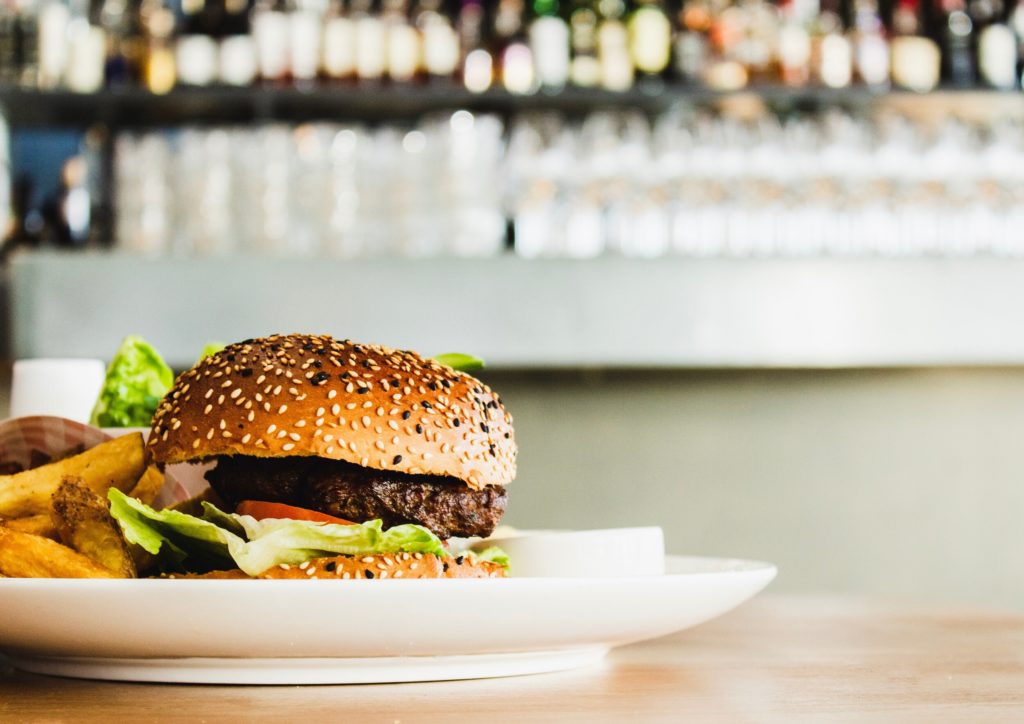
The fake meat industry is expected to become a $140 billion industry within the next decade, according to Barclays analysts.
With numbers like that, it is no surprise one of the most common questions I receive as a dietitian specializing in plant-based diets is, “What are your thoughts on the fake meat craze?”
What Would be the Point of Choosing “Fake” Meat?
The mission of Impossible Foods is to focus on “drastically reducing humanity’s destructive impact on the global environment by completely replacing the use of animals as a food production technology.”
What’s the company’s bottom line? Sustainability.
Who has a problem with sustainability? Not me!
Generally, individuals choose to focus on a plant-based diet for three main reasons:
- Health
- Environment
- Animal Rights/Agriculture
Initially, the health benefits of a whole-food, plant-based diet are what led us to our personal lifestyle choice. But over the past few years, we have found the environmental and animal agriculture benefits strengthening our decision to live a whole-food, plant-based lifestyle.
Are These “Fake Meat” Burgers a Healthy Choice?
I love the mission behind Impossible Foods and other similar brands. But the question that remains is: are they healthy?
Good question.
Let’s analyze the ingredients and nutrition components of the Beyond Meat & Impossible Burger:
Beyond Meat:
Ingredients: Water, Pea Protein Isolate, Expeller-Pressed Canola Oil, Refined Coconut Oil, Contains 2% or less of the following: Cellulose from Bamboo, Methylcellulose, Potato Starch, Natural Flavor, Maltodextrin, Yeast Extract, Salt, Sunflower Oil, Vegetable Glycerin, Dried Yeast, Gum Arabic, Citrus Extract (to protect quality), Ascorbic Acid (to maintain color), Beet Juice Extract (for color), Acetic Acid, Succinic Acid, Modified Food Starch, Annatto (for color)
Nutrition: 290 calories, 22 grams fat, 5 grams saturated fat, 450 milligrams sodium, 20 grams protein
Impossible Burger:
Ingredients: Water, Soy Protein Concentrate, Coconut Oil, Sunflower Oil, Natural Flavors, 2% or less of: Potato Protein, Methylcellulose, Yeast Extract, Cultured Dextrose, Food Starch Modified, Soy Leghemoglobin, Salt, Soy Protein Isolate, Mixed Tocopherols (Vitamin E), Zinc Gluconate, Thiamine Hydrochloride (Vitamin B1), Sodium Ascorbate (Vitamin C), Niacin, Pyridoxine Hydrochloride (Vitamin B6), Riboflavin (Vitamin B2), Vitamin B12
Nutrition: 240 calories, 14 grams fat, 8 grams saturated fat, 370 milligrams sodium, 19 grams protein
The main difference between the two burgers? The Impossible Burger contains soy, whereas the Beyond Meat Burger does not.
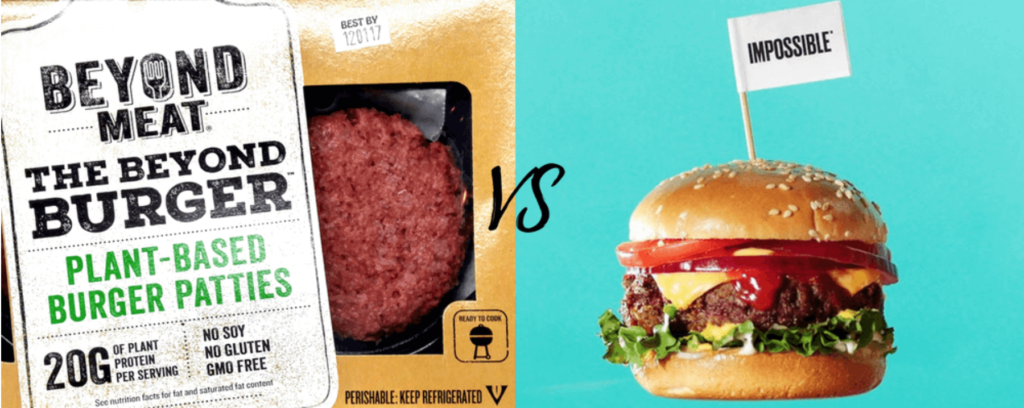
The main similarity between the two burgers? Both are highly processed and contain high amounts of fat — including saturated fat.
Although we focus on a diet derived from plants, we advocate for a whole-food, plant-based diet. It is true Oreo cookies are 100% derived from plants, but I think we all know Oreo cookies are not a health food!
Consuming plants in their most whole food form (e.g., an orange over orange juice) provides incredible benefits and perhaps some benefits we haven’t yet discovered. Whereas consuming highly processed plant foods doesn’t necessarily offer benefits, and may even be harmful to our health.
Both burgers:
- Contain two different oils — coconut oil and canola or sunflower oil. Although plant-based oils are touted as “health foods”, research demonstrates otherwise. Processed oils may negatively impact our endothelial cells and the blood flow within our bodies.
- Contain a high amount of saturated fat (primarily sourced from coconut oil). Regardless of where the saturated fat comes from, saturated fat has been found to increase levels of LDL cholesterol (“bad” cholesterol). Ultimately, increasing one’s risk of heart disease.
Other Considerations for “Fake Meats”
If you’ve tried either of the burgers, you may have been pleasantly surprised at how close these products do taste like a ground beef burger without a trace of meat in them. One of the components within the Impossible Burger that gives these plant-derived burgers that flavor is called heme from leghemoglobin. This ingredient provides the burger it’s red and “bloody” appearance.
In the case of the Impossible Burger, this leghemoglobin is created by fermenting yeast.
Is this safe and healthy? That’s up for debate because we don’t know. There is little to no research available regarding the long-term impact. What we do know is that heme iron found in animal proteins has detrimental effects on our health.
Is Fake Meat Healthier than Real Meat – On Occasion?
Although these “fake” meats shouldn’t be considered a health food, it doesn’t mean they can’t play a role in the diet occasionally.
Just the other day I was at a restaurant with my extended family that offered virtually no whole-food, plant-based options. If you stick with a whole-food, plant-based diet I’m sure you know how often it happens!
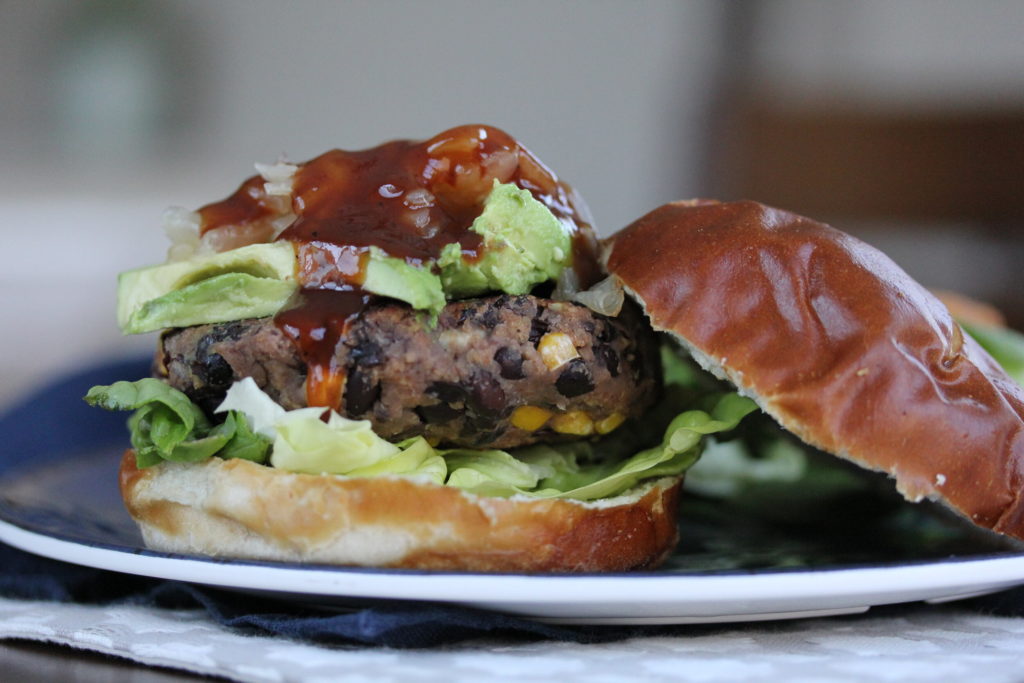
But, they did offer the Impossible Burger and that’s what I had. Would I have preferred a bean based burger and a side salad? Absolutely! However, that wasn’t an option.
I wouldn’t recommend “fake” meats become a regular staple within the diet. The fact is that whole, plant-based foods should be the foundation. But, if there isn’t another option (or, you genuinely miss having a ground beef burger!), opting for a plant-based burger on occasion isn’t going to derail your journey towards a healthier lifestyle.
Is a “Fake” Meat Burger Healthier than a “Real” Burger?
If you had the option between a “fake” or a “real” burger — is there a healthier choice?
Professionally (and personally), I would opt for the “fake” meat since we can still avoid animal hormones, antibiotics, heterocyclic amines, and cholesterol found within a “real” burger.
Plus, compared to a beef burger, the Impossible Burger has been found to require:
- 75% less water
- 95% less land
- 87% less greenhouse gas emissions
Certainly a drastic improvement on the sustainability front!
What’s the Bottom Line?
Although “fake” meats are derived from plants, they are not considered a healthy option as they are highly processed.
If you occasionally enjoy the flavor of a burger, or there are limited whole, plant-based options available, a “fake” meat burger is an option. However, a majority of the time, focus on fruits, vegetables, whole grains, legumes, nuts, and seeds.
How about a handheld made out of whole, plant-based ingredients? Yes, please!
Blog Updated June 2023

Alison Tierney, MS, RD, CD, CSO
Alison is a registered dietitian, board-certified in oncology nutrition, and a cancer thriver. Her expertise in oncology nutrition and personal experience with her own cancer diagnosis and its treatment provide her with the unique perspective of being able to relate to her clients on an entirely different level. Her content is consistently focused on evidence-based guidelines and seeks to increase the awareness of the power of nutrition to complement traditional cancer therapies.
Leave a Reply
Featured Articles


Wholesome LLC is not a medical practice, and its employees cannot offer medical advice. This website provides educational information but it is not a substitute for medical advice from a licensed medical professional who is familiar with your particular facts and circumstances. The information contained on this website is not intended to diagnose, treat, or cure any disease and shall not be construed as medical advice. The information and education on this website is provided for you to use at your own discretion.
You can further review our disclaimer here.

I LOVE this topic! Mostly because (to be a little snarky), the debate seemed to arise from pro-carnivores as a way to scare and trick potential vegetarians/plant-based eaters. Everything you mentioned in your post here is spot-on. Above all else: these "faux meat" menu items FINALLY give those of us plant-based dieters an option when we have to eat out somewhere with meat/dairy-heavy menus. Example: Due to our photography biz, Chris and I often travel to very rural areas of the midwest/south where there are no vegetarian options (even cheese pizza is a rough choice – and we’ve had a lot of digestive issues with Subway). Finally, all we need to do is find ourselves a Burger King!!
Thanks, Katie! I agree with you for sure! At least there are some options in areas where plant-based eating options are limited or non-existent. For that reason, these types of burgers are a welcome to the market, in my eyes. But I would much prefer a bean based burger!
I cooked the Beyond Burger at home twice. It is very meat like but so much so that I found it a little disconcerting. I definitely did not like the smell of BB in its raw form. That was a big reminder of just how fake it is. Back when I was a vegetarian/ later vegan I made it a point to not try to chase food that would mimic what I missed. That’s because any of those replacements were highly processed. Now I’m sticking with my homemade veggie burgers or the occasional real meat burger.
Hi Suzanne! Thanks for sharing — I can absolutely relate to the smell and likeness of the burger to meat. I would MUCH prefer a homemade veggie/bean burger as well!
I’ve only tried the Beyond burger on the grill and really didn’t like the texture or taste. I heard it’s better to pan fry it but haven’t tried that yet.
I just posted my opinion and breakdown on the difference between the fake meat options a couple days ago and enjoyed reading yours. I also shared a recipe for my favorite chickpea oat burger, you may be like to try. https://rawchefkim.com/chickpea-oat-burgers/
Thanks for sharing.
Hi Kim! Thanks for sharing! I absolutely agree about the GMO concerns in these plant-based meat burgers. Scary stuff! I didn’t care too much for the Beyond Meat Burger itself — but have enjoyed the Beyond Meat brats. Thanks for sharing your recipe!
I’ve considered tackling this topic in a blog, but do not have the dietitian background, so I found it challenging to back up my thoughts (I’m in alignment with you!) I think it was Dr. Neal Barnard who once said in a podcast that the meat substitutes are okay for transitioning into plant based eating, but should not be a way of life. Thank you for the ingredient and nutritional breakdown! I will be sharing this on my business page.
I would agree completely with Dr. Barnard — good for transitions, but not a staple in a healthy plant-based diet. Glad the post was helpful for you! Thank you for sharing!
Seeing all the hype out there for the meatless burger, I have been very curious about the health side of it. I was thinking “prolly not as healthy as they are toting, but hey, BK, it’s a start” lol! This was a super interesting read and I feel good that I had assumed correctly after reading this post. Thanks for the info ladies, keep up the fantastic work!! I love this blog!!
Hi Megan! We are glad to hear this info is helpful to you! You certainly did assume correctly.
I was COMPLETELY unimpressed by an Impossible burger I tried recently.
Hi Jan! It seems as though there are many differences in opinion based on taste preferences. Hopefully you love some of the bean based burgers instead! 🙂
I really like the impossible burger that is served at our local Dog Haus restaurant. It tastes exactly like a grilled hamburger ! That said, because it is processed I will only enjoy it when we eat there. I can’t see buying them to eat at home. Great article on a timely subject. Thanks!
Hi Linda! I feel the same way — I can’t see myself buying them to eat at home. I’d much rather have our Italian Chickpea Burgers at home.
Glad the article was helpful!
I have been quite tempted to try the impossible burger, however, because I have stage 1c prostate cancer, I feel I need to stick with whole foods. I’m kind of turned off by the high amounts of fats, and sodium levels. Some day I may but right now, I am choosing to use lifestyle as a way to slow cancer progression and use food to fight the disease.
I agree — the Impossible Burger is intriguing and tempting. However, I think you’re approach is perfect — whole foods to fight cancer. Wishin you the best.